
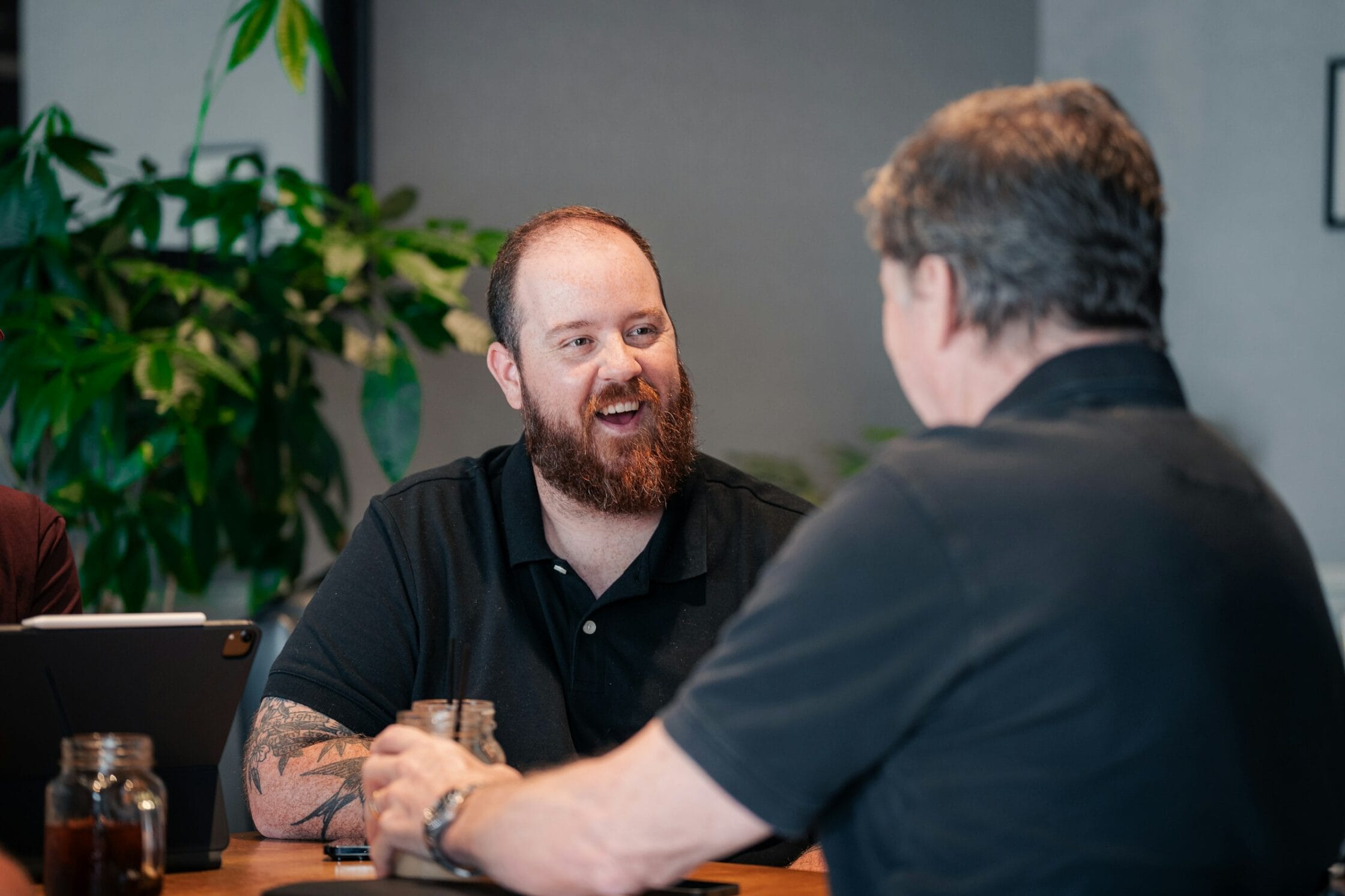
Business owners slip into selling mode when interviewing customers for Jobs-to-Be-Done insights. It’s not intentional, but it ruins the research. An independent researcher stays neutral, asks sharper questions, and extracts insights you’d never get yourself.
The Bias Problem
When you own the business, you’re emotionally invested. Your identity, livelihood, and ego are tied to the product. That creates confirmation bias, where you unconsciously steer conversations towards answers that validate your assumptions. You’re not manipulating anyone, but you’re human. It happens.
Customers sense this, too. They’ll soften criticism or tell you what they think you want to hear, a phenomenon called acquiescence bias. They genuinely want to help you succeed, but they can’t always tell you the truth because they don’t fully know it themselves.
Independent researchers bring objectivity. They’re not defending the product or trying to sell it. Customers feel safer being candid with a third party because there’s no risk of offending the person who built the thing. This openness yields the brutal honesty you actually need.
Learning Mode vs Selling Mode
Edgar Schein’s concept of “humble inquiry” matters here. Humble inquiry means accessing your ignorance, suspending judgment, and asking genuine questions. It’s about curiosity, not interrogation. When you’re in learning mode, you ask open questions like “How do you think we should proceed?” rather than “Don’t you think we should do X?”.
Business owners often flip into selling mode without realising it. They talk too much, answer their own questions, or jump to defend the product when criticism surfaces. Independent researchers don’t have that reflex. They stay curious throughout, digging deeper when insights emerge rather than moving on.
Most founders use research to validate their ideas rather than to discover what’s actually true. Winning companies aren’t the ones with the best research; they’re the ones who fool themselves the least.
Credibility and Adoption
There’s another advantage: internal credibility. When an independent researcher delivers findings, teams accept them more readily. If the product manager interviews customers and reports that marketing messed up, marketing will dismiss it as biased. A neutral third party removes that dynamic. The feedback lands harder because no one can question the motives behind it.
Founder bias rarely works alone, either. Overconfidence leads to vision lock-in, which triggers sunk cost fallacy, which reinforces false consensus. These biases stack, and before you know it, you’re burning cash on features no one wants.
An independent researcher breaks that cycle. They’ve got nothing to prove, no vision to defend, and no ego in the game. That distance is precisely what makes them valuable.